
Key takeaways
- Compare full-frame mirrorless and premium compact cameras by sensor, resolution and lens, so you can pick quality that fits how you shoot each day.
What's inside
As an Amazon Associate I earn from qualifying purchases. This post may contain affiliate links at no extra cost to you.
Choosing a quality camera is really a decision about what you will carry, which lenses you will commit to, and how much detail you need when light fades or a print gets large. Chasing the highest number on a box can leave you with a body that stays home. That first choice also shapes years of later spending, because lenses, batteries, cards, and bags all follow the system you commit to at the start.
This guide is for photographers moving beyond a phone who want that step in sensor size and lens quality to be visible in their files. Every pick below was chosen from the name and specifications stated on its Amazon listing, with full-frame mirrorless bodies and one premium compact forming the shortlist.
Quick Picks
As an Amazon Associate we earn from qualifying purchases
| Product | Best for | Key spec from title |
|---|---|---|
| Sony a7 III with 28-70mm Lens | Starting full-frame with a lens included | Full-frame Mirrorless Interchangeable-Lens Camera with 28-70mm Lens |
| Canon EOS R6 Mark II | Hybrid stills and video work | 24.2 Megapixel CMOS Sensor, Full-Frame Camera |
| Nikon Z 6II | Stills and video in one Nikon body | Versatile full-frame mirrorless stills/video hybrid camera |
| Sony Alpha 7C II | Full-frame quality in a smaller body | Full-Frame Interchangeable Lens Camera |
| Fujifilm X100VI | Carrying one fixed-lens camera daily | Fujifilm X100VI Digital Camera – Black |
How to Choose
Sensor size and what it changes
Sensor size is the foundation underneath every other quality claim in this list. A full-frame sensor gathers light across a larger area than the smaller sensors in phones and entry compacts, which supports cleaner files when you raise sensitivity indoors or after sunset, and gives you more control over how sharply a subject separates from its background. Four of the bodies here are full-frame designs, while the Fujifilm takes a different route as a premium compact. Decide first whether that larger sensor, and the larger lenses it usually brings, matches the bag you actually own.
Resolution matched to your output
Resolution only helps when your output can show it. The Canon listing states a 24.2 megapixel CMOS sensor and the Nikon page states 24.5 megapixels, figures that already support large prints, confident cropping, and detailed screen viewing for most photographers. More pixels also mean larger files, slower transfers, and more storage to manage, so a moderate count handled well often beats an extreme count handled carelessly. Think about your biggest realistic print and your usual crop before paying for resolution. If you rarely crop tightly, sensor quality and lens sharpness will matter more than a headline number.
Lens system you are buying into
A mirrorless body is only the entry ticket; the lenses define what the system can become. The Sony a7 III kit in this list includes a 28-70mm lens in its title, so it can be used straight from the box, while the Canon, Nikon, and Sony 7C II listings are interchangeable-lens cameras that assume you will choose glass separately. Check the mount, the range of focal lengths you need, and whether a standard zoom covers your subjects before adding specialty lenses. The Fujifilm removes that decision entirely with a fixed-lens compact design, which simplifies travel but ends any plan to swap lenses later.
Body size, controls, and carrying habit
Quality you leave at home delivers nothing, so handle the size question honestly. A traditional full-frame body such as the Canon EOS R6 Mark II or Nikon Z 6II gives you a substantial grip and direct controls that suit long sessions, events, and larger lenses. The Sony Alpha 7C II keeps a full-frame interchangeable-lens design in the brand’s compact C line, aimed at travellers who still want lens choice. The Fujifilm X100VI goes furthest, as a single digital camera you carry as one unit. Match the body to your longest typical day out, not your most ambitious one.
The 5 Best Options
Sony a7 III with 28-70mm Lens

This kit suits a photographer who wants to enter full-frame shooting without solving the lens question on day one, because the listing pairs the body with a 28-70mm lens. That range covers everyday scenes, travel, and portraits at the longer end, letting you learn what the sensor can do before investing further. The interchangeable-lens design keeps the system open, so the same body can grow with additional Sony E-mount glass as your subjects become more specific and demanding over time with practice.
Specs
- Brand: Sony
- Model: a7 III (ILCEM3K/B)
- Format: Full-frame Mirrorless Interchangeable-Lens Camera
- Lens included: 28-70mm lens, per listing title
- Display: 3-Inch LCD, per listing title
- Colour: Black
Best for: A first full-frame system bought as a complete, ready-to-shoot kit.
Watch out for: Confirm the kit lens range suits your subjects, since a standard zoom will not replace a dedicated wide or telephoto lens.
ASIN: B07B45D8WV
Canon EOS R6 Mark II

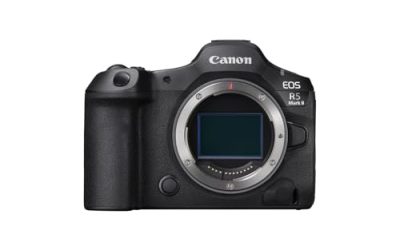
Canon positions this body for shooters who split their time between photographs and moving images, and its listing leads with photo and video capabilities in one full-frame camera. The stated 24.2 megapixel CMOS sensor sits in a useful middle ground, delivering detailed stills without pushing file sizes to extremes. Choose it if you already own, or plan to build, a Canon RF lens collection and want a single body that can anchor both sides of your work rather than forcing a separate video camera into your kit bag.
Specs
- Brand: Canon
- Model: EOS R6 Mark II Mirrorless Camera (Body Only)
- Format: Full-Frame Camera
- Sensor: 24.2 Megapixel CMOS Sensor, per listing title
- Use stated in title: Photo and Video Capabilities
- Colour: Black
Best for: Hybrid creators building one Canon RF system for stills and video.
Watch out for: This is a body-only listing, so budget and plan for an RF lens before expecting to shoot anything.
ASIN: B0BL7ZVY78
Nikon Z 6II

Nikon describes the Z 6II on its Amazon page as a versatile full-frame mirrorless stills and video hybrid, and that dual role is exactly its appeal. The page states an effective still resolution of 24.5 megapixels and describes a BSI sensor, a combination aimed at detailed stills alongside video work. It fits a photographer who wants one substantial Nikon body rather than separate tools, especially anyone whose existing habits, flashes, or lens plans already point toward the Nikon Z system and its growing native lens range for everyday professional use.
Specs
- Brand: Nikon
- Model name: Z 6II FX-format Mirrorless Camera Body, per listing
- Format: Full-frame mirrorless
- Effective still resolution: 24.5 MP, per listing
- Sensor description on page: 24.5MP BSI sensor
- Positioning on page: Versatile full-frame mirrorless stills/video hybrid camera
Best for: Nikon-leaning shooters wanting one hybrid body for stills and video.
Watch out for: Check whether the listing is body only before ordering, and confirm which Z-mount lens you will mount first.
ASIN: B08L5Z4355
Sony Alpha 7C II
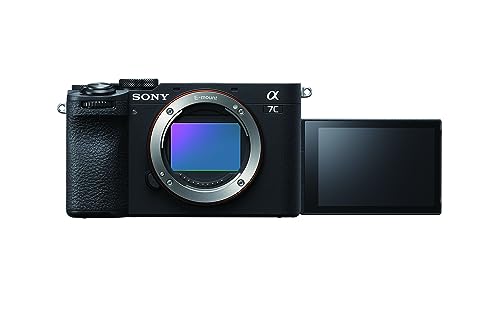
The 7C II answers a specific tension: you want a full-frame sensor and interchangeable lenses, yet a full-size body discourages you from carrying the camera on ordinary days. Sony lists it simply as a full-frame interchangeable lens camera in black, and the C designation marks it as the compact branch of the Alpha line. It suits travellers, street photographers, and creators who work discreetly, provided they pair it with smaller lenses; mounting a large zoom would quietly erase the size advantage that justified choosing this body in the first place.
Specs
- Brand: Sony
- Model: Alpha 7C II
- Format: Full-Frame Interchangeable Lens Camera, per listing title
- Colour: Black, per listing title
- Lens system: Interchangeable lens, per listing title
Best for: Travellers who want full-frame files from a noticeably smaller body.
Watch out for: Decide on a compact first lens at the same time, because body size alone does not make a small carrying kit.
ASIN: B0CGTTVYGM
Fujifilm X100VI

The X100VI is the deliberate exception in this roundup: instead of a system you expand, Fujifilm offers one premium digital camera in black that you carry as a finished unit. That constraint is its strength for photographers who know their preferred way of seeing and dislike menus of lens choices before leaving the house. Street, travel, and daily documentary work suit it well. What it cannot do is adapt to distant sport or wide interiors through a lens swap, so buy it for focus and simplicity, never as a substitute for a system camera.
Specs
- Brand: Fujifilm
- Model: X100VI Digital Camera, per listing title
- Colour: Black, per listing title
- Type: Premium compact digital camera
- Lens approach: Single fixed camera unit, not an interchangeable-lens body
Best for: Daily carry for photographers who prefer one fixed camera over a system.
Watch out for: Be certain a single fixed focal length matches your subjects, since no lens change can widen or lengthen your view later.
ASIN: B0CW1KVSVF
Which One Fits Your Situation
You are upgrading from a phone for the first time
Start with the Sony a7 III kit with the 28-70mm lens. It is the only option here whose title includes a lens, so you can shoot immediately and learn which focal lengths you reach for most. That experience will tell you far more about your next lens purchase than any specification chart, and the full-frame body remains worth keeping as the system grows around it.
You shoot events that mix stills and video
Pick the Canon EOS R6 Mark II if Canon RF lenses fit your plans, or the Nikon Z 6II if Nikon is your direction. Both listings position their bodies for photo and video work, and both state sensor resolutions in the mid-twenties of megapixels. Your lens ecosystem, control layout, and existing accessories should break the tie, not a small difference in a headline figure.
You travel light but refuse to give up full-frame
The Sony Alpha 7C II was made for this compromise, pairing a full-frame interchangeable-lens design with the compact C line body. Pair it with a small prime or compact zoom and the whole kit stays easy to carry all day. Avoid undoing that benefit with an oversized first lens, and check the combined weight of body, lens, and spare battery before committing.
You want one camera in a jacket pocket or small bag
Choose the Fujifilm X100VI when simplicity is the priority and one fixed view matches how you photograph. It removes lens decisions, spare glass, and much of the bulk that makes people leave a system camera behind. Accept its limit honestly: subjects that demand a long telephoto or an ultra-wide view belong to a different tool, and no accessory purchase will turn this compact into a system.
Common Mistakes
- Buying a body-only listing and forgetting that no lens is included, leaving the camera unusable until a second purchase arrives.
- Judging quality by megapixels alone while ignoring sensor size, lens quality, and how large the final image will actually be displayed.
- Choosing a full-size body for travel, then leaving it in the hotel because the combined kit feels too heavy to carry daily.
- Picking a fixed-lens compact for subjects that need several focal lengths, such as sport, wildlife, or tight interior work.
- Mixing up lens mounts when ordering, since Canon RF, Nikon Z, and Sony E lenses are not interchangeable between these systems.
Frequently Asked Questions
Does full-frame always mean better quality?
Not automatically. A full-frame sensor gives the system more light-gathering area to work with, which helps in dim conditions and with background separation, but lens quality, focus accuracy, and your own technique still decide the final file. A well-used smaller camera will outperform a full-frame body used carelessly or paired with an unsuitable lens for the subject.
Is a kit lens a sensible way to start?
Yes, for many buyers it is the most practical route. The Sony a7 III listing includes a 28-70mm lens, covering common everyday subjects while you learn the camera. Shoot with it long enough to notice which end of the zoom you use most, then let that pattern guide a sharper or wider second lens instead of guessing immediately.
Should I choose the compact Fujifilm over a system camera?
Choose it when you value carrying the camera everywhere and you are comfortable working within one fixed view. That simplicity encourages daily practice, which improves results more than unused features. If your subjects regularly demand wide, standard, and telephoto views in a single outing, an interchangeable-lens body such as the Canon, Nikon, or Sony options will serve you better.
How many megapixels do I actually need?
For most prints, social sharing, and screen viewing, the figures stated in these listings are ample: Canon states 24.2 megapixels and Nikon states 24.5 megapixels. Those counts support sensible cropping and large display sizes. You would need a specific reason, such as very large prints or aggressive cropping on distant subjects, before resolution should outrank sensor, lens, and handling in your decision.
Related guides
More from Amazon
Programs that pair well with the guide above. Offers and eligibility are set by Amazon and may change.
Free shipping on eligible items, Prime Video and more. Eligible new members can start with a free trial.
Start a Prime free trialAudiobooks and podcasts to listen to on the go. Eligible new members can start with a free trial.
Try Audible freeAd-free music streaming. Eligible new subscribers can start with a free trial.
Try Music Unlimited freeA free business account with business pricing and bulk-buying tools for work, shop or home office.
Create a business accountAs an Amazon Associate we earn from qualifying purchases.
Write Your Review
No reviews yet. Be the first to share your experience!